


October marks National Financial Planning Month, making it an ideal time for a financial health check-up. Just as you schedule annual medical exams, this month offers a natural opportunity to assess your financial situation, acknowledge your successes, and make strategic adjustments before the year-end. Embracing this month as a pivotal moment in your financial calendar could set the tone for a secure and prosperous future.
Why Work with a Financial Professional?
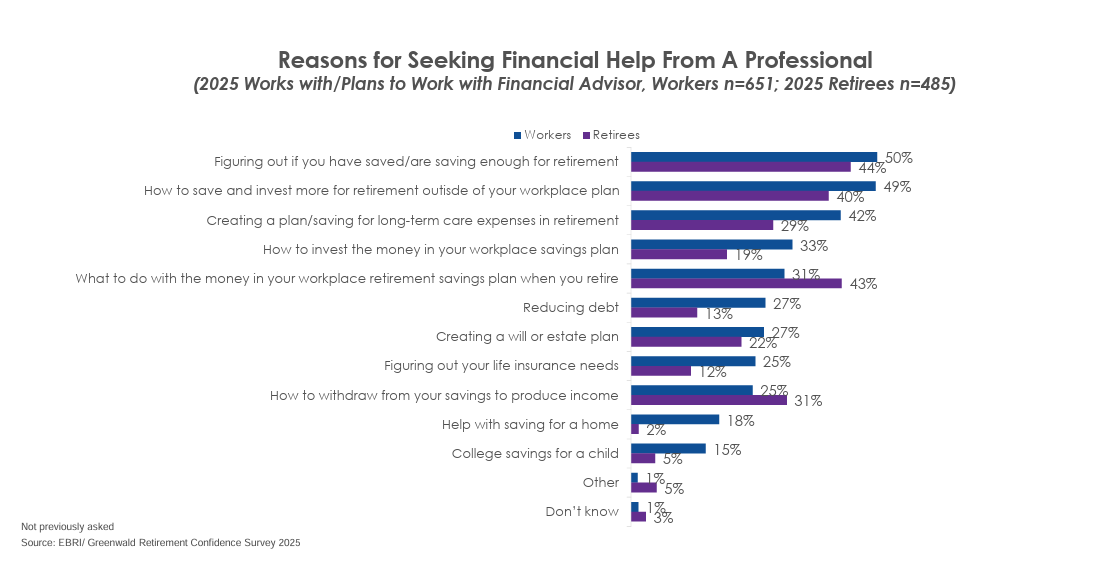
People at every life stage—whether working, approaching retirement, or already retired—seek financial guidance. While their specific concerns vary, from maximizing workplace benefits to managing debt or planning for long-term care, they share a common goal: greater confidence in their financial decisions. Financial professionals offer valuable insights and strategies tailored to your individual needs, ensuring that you’re not just making decisions, but informed ones.
Expertise Across Life Stages
Working Professionals: Many are focused on building their wealth while managing expenses. A financial advisor can help them make the most of workplace benefits, like retirement accounts and insurance options, offering strategies to balance saving and spending.
Approaching Retirement: This group benefits from strategies that transition their focus from accumulation to preservation. Advisors help with income strategies, ensuring that assets last through retirement, and offer guidance on when and how to draw from retirement accounts.
Retirees: For those already retired, maintaining a steady income and managing healthcare costs are top priorities. Advisors can offer clarity on managing these aspects, ensuring that retirees can enjoy their golden years without financial stress.
Common Financial Topics for October
National Financial Planning Month is a great time to tackle several key financial strategies. Here’s a closer look at some of the most common topics that should be on your checklist:
1. Year-End Strategies
As the calendar year comes to a close, consider any charitable contributions or investment adjustments you might want to make. Many people find this an excellent time to review their portfolio and make changes that could impact their tax situation positively. A professional can help identify tax-efficient strategies and suggest adjustments to align with your financial goals.
2. Account Contributions
Have you reviewed your retirement or health savings accounts (HSAs)? Ensuring you’ve maximized your contributions can significantly impact your financial health and tax situation. Consider increasing your contributions to take full advantage of employer matches or tax benefits.
3. Goal Check-In
October is perfect for a mid-year goal check. Assess where you stand with your financial goals, whether it's paying off debt, saving for a home, or planning a vacation. A small, intentional step now—such as increasing savings by a small percentage—can support longer-term goals significantly.
4. Looking Ahead
It’s never too early to consider what you’d like to prioritize in the upcoming year. Whether it’s funding a child’s education, planning a big trip, or buying a new home, start strategizing now. Establishing clear goals and discussing them with a financial advisor can provide clarity and direction.
Personalized Financial Health Check-Up
Remember, everyone’s financial situation is unique, but you don’t have to figure it all out alone. A personalized financial health check-up can pinpoint areas of strength and opportunities for improvement. It involves reviewing your current financial standing, reassessing your goals, and making informed adjustments to your strategy.
Steps for a Financial Health Check-Up
Review Your Budget: Look at your monthly expenses and income. Are there areas where you can reduce spending or increase savings?
Assess Your Debt: Take stock of what you owe. Consider strategies for paying down high-interest debt, such as credit cards or loans.
Evaluate Insurance Needs: Ensure you have adequate coverage. This might include life insurance, health insurance, or disability insurance, depending on your stage in life.
Check Your Investments: Are your investments aligned with your risk tolerance and goals? A financial advisor can help adjust your portfolio as needed.
Plan for Taxes: Review your tax situation and consider any year-end tax strategies that could benefit you.
October’s National Financial Planning Month is more than just a reminder; it’s an opportunity. By taking the time to review your financial health now, you set yourself up for a more secure and prosperous future. Work with a financial advisor to ensure you’re making informed decisions, and remember that small strategic adjustments today can lead to significant financial benefits tomorrow.